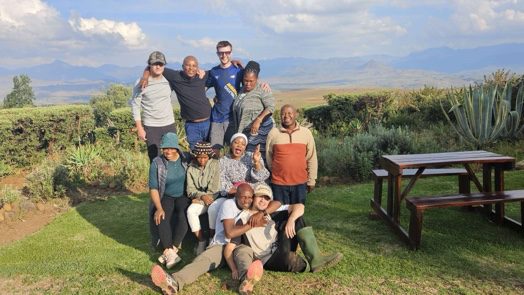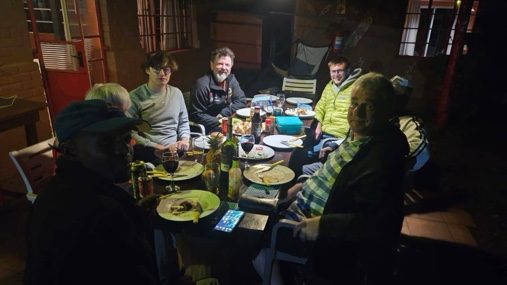
My second month in Lesotho was much busier than the first. While in September I was still mainly settling in, in October I began taking on my own projects and more responsibility in my work with the MDT. I spent the first week continuing to repair the computers in the community centre. We found that many of them had been updated to Windows 11 even though they were only designed for Windows 10, which caused serious performance problems. We tried to find solutions together. Despite the technical difficulties it was encouraging to see that Khotso, the MDT’s project manager, values our work highly and is proud of how well we have settled into everyday life.
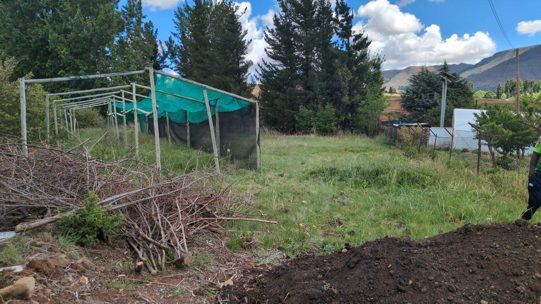
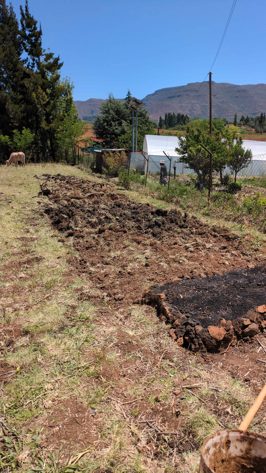
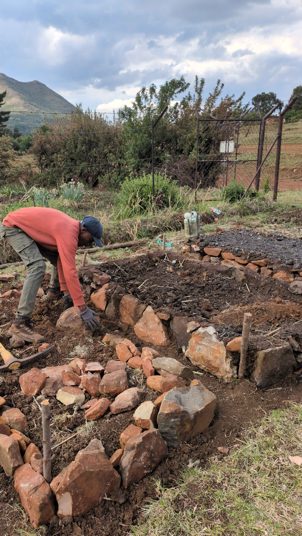
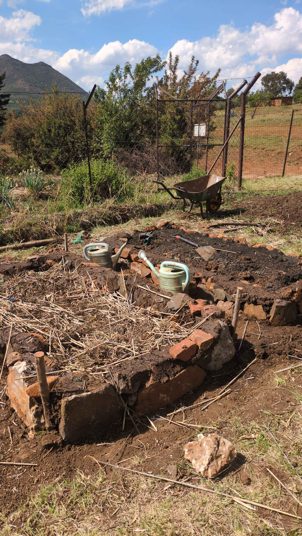
In the middle of that week I decided to also work in the MDT’s small garden, which had been neglected for quite a while.
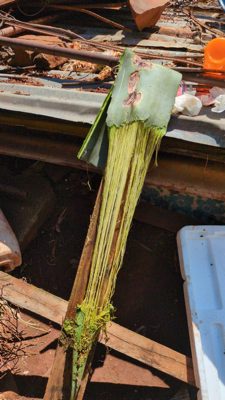
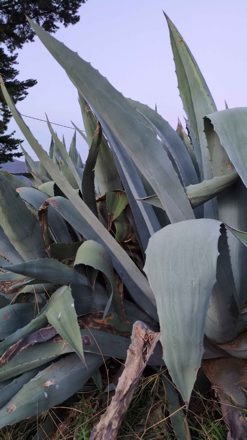
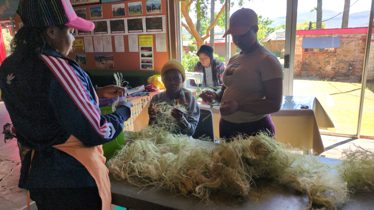
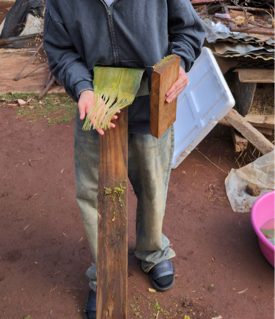
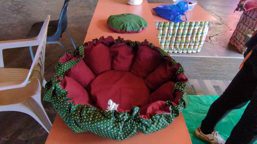
Shortly afterwards Ken Dunn, the founder of Africa’s Gift, arrived in the Malealea Valley. As I had been experimenting with agave fibres a few weeks earlier to find an alternative filling for cookbags (hemp stalks had been used until then), I took the opportunity to discuss my idea with him directly. It was exciting to share my observations and see that they sparked interest. At that point I was curious, but also a little unsure whether the idea really had potential.
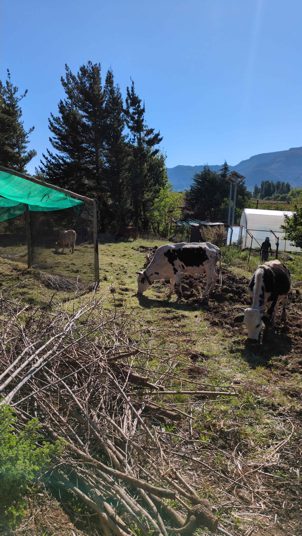
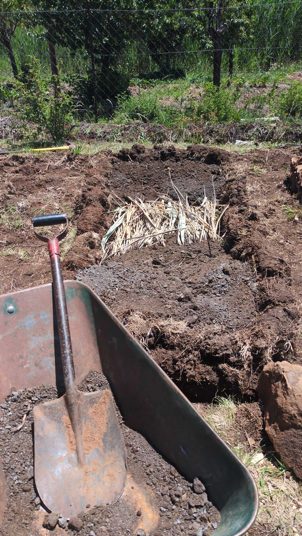
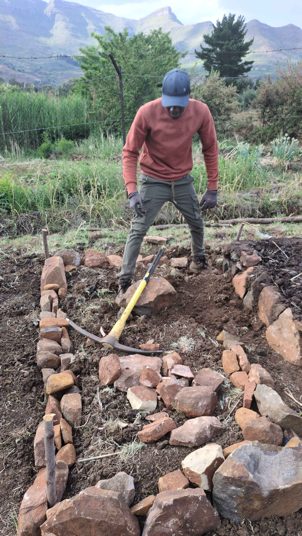
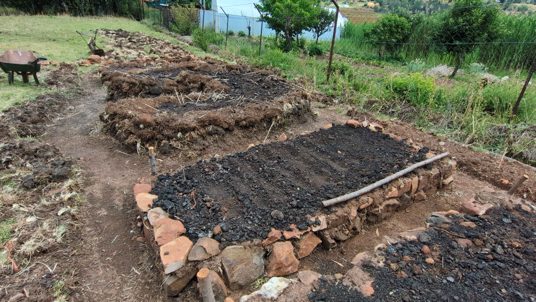
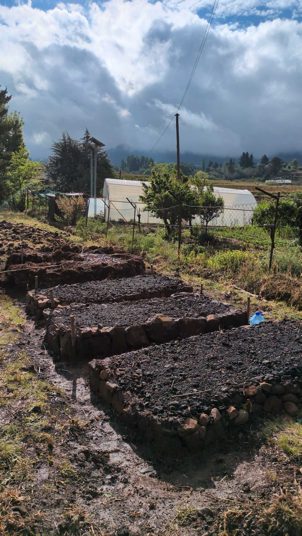
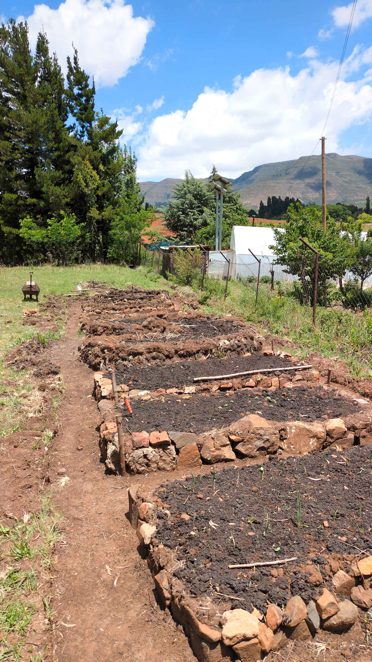
Working in the garden turned out to be harder than expected. For the first time in my life I ploughed with cows, because the soil was full of roots. I also started building raised beds out of stones, mud and straw. This physical work was challenging but also very fulfilling, because I could see real progress and build something of my own… In the second week we finally completed our visa applications together with Khotso. He drove us to Maseru, where, after a long wait, we finally received our visa stickers – a moment of relief. At the same time I continued working in the garden. A member of staff from the MDT’s teaching garden helped me. Together we built several new raised beds and prepared the first planting areas. We made good progress, but realised that more help would be needed to take down the damaged greenhouse and plough the rest of the soil.
In the third week my agave project received unexpected attention: representatives of the UN and the British High Commissioner to Lesotho visited the Africa’s Gift cookbag initiative. At first they were rather sceptical and asked many critical questions. During the conversation, however, their attitude changed to curiosity and interest, especially once it became clear that agave fibres can be used locally. It was a special moment for me, because for the first time I felt that my idea could contribute to a bigger project.
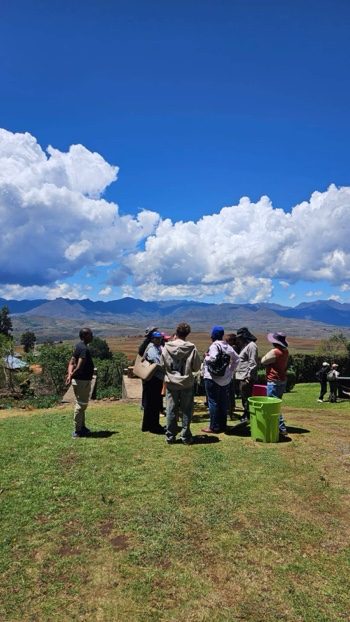
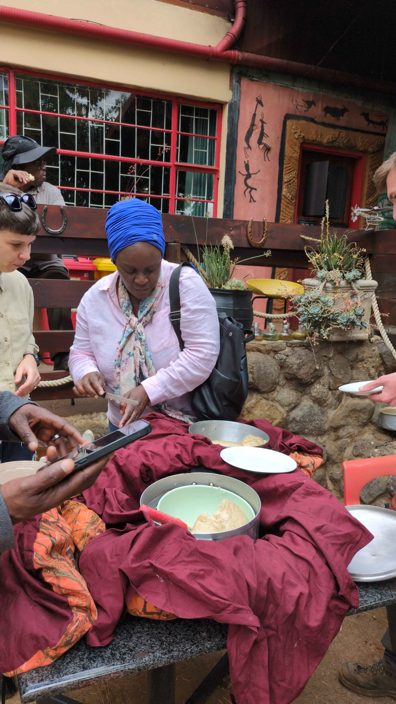
In the fourth week I kept working in the garden. I built more beds and started sowing the first seeds. My long-term goal is to set up the garden so that it can supply fresh food directly to orphans in the valley who are currently supported by the MDT with food stamps. It is especially important to me to show the children how they can create and look after small permaculture gardens at home.
At weekends I spent time with Dr Krimmel. It felt very good to have a contact person who looks after us personally. His regular visits created a much more family-like relationship than you get with larger organisations, which often send out hundreds of volunteers without anyone taking time for them individually. Khotso and Dr Krimmel also repeatedly expressed their satisfaction with our work, especially because we got involved in two areas that are particularly important in the valley: food security and digital education.
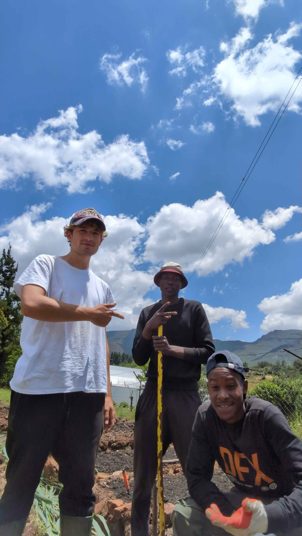
Emotionally this month was very mixed. On the one hand there were moments of frustration and exhaustion, especially during the heavy garden work or the slow visa process. On the other hand, satisfaction and motivation won out for me, because I felt that my work was showing visible results and was appreciated. The gratitude of the people here in particular makes me feel that I can really make a difference.