

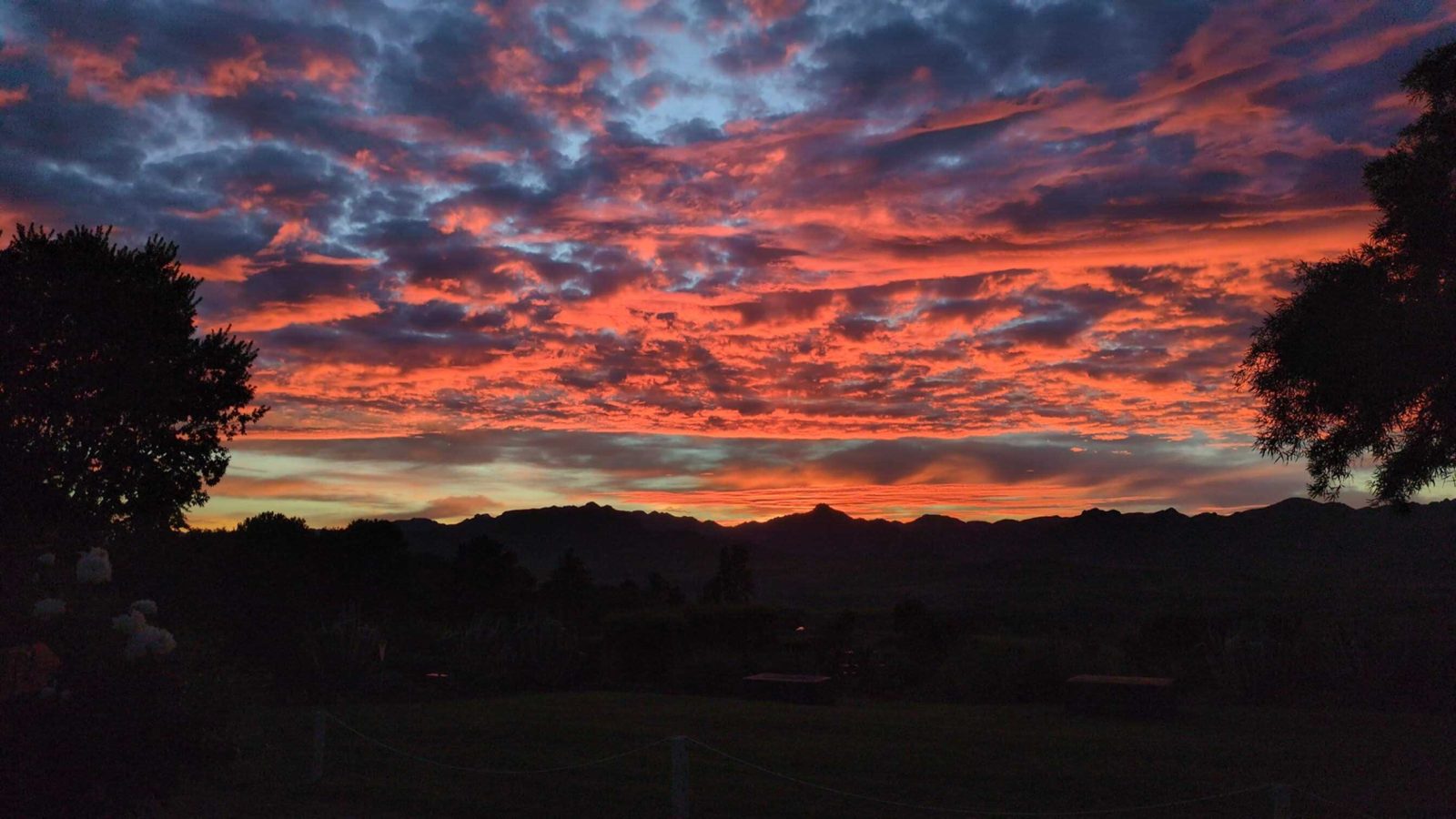
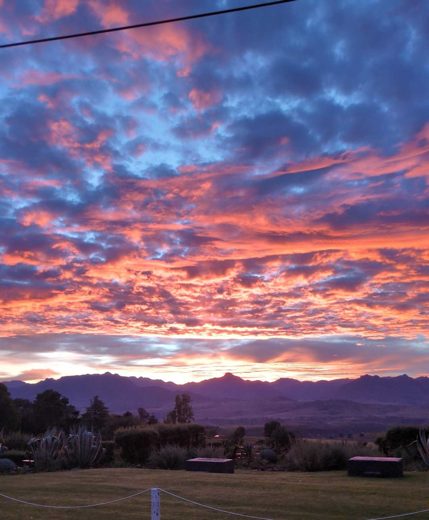
Compared with the previous months, March was much quieter and gave me the opportunity to develop some ongoing projects further while gathering new energy.
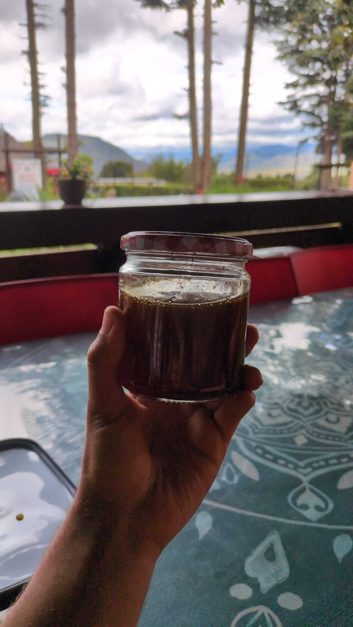
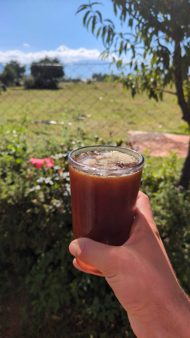
At the start of the first week I was able to harvest the first significant amounts of honey. This was a special moment for me, as the bee project is now producing visible results. My first “customer” was actually the King of Lesotho, to whom I presented a box of vegetables from the garden and about 400 grams of honey. It was a lovely feeling to see that both the garden and the beekeeping are now producing things that can be shared with others.
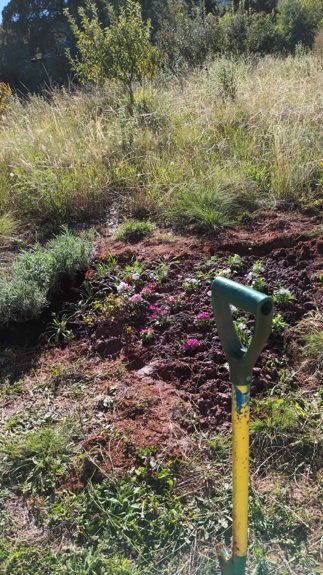
I also concentrated on further improving conditions for the bee colonies. On the teaching farm I planted various kinds of flowers to give the bees additional sources of nectar in the long term. What matters most to me is securing the colonies’ food supply while also promoting biodiversity on the site.
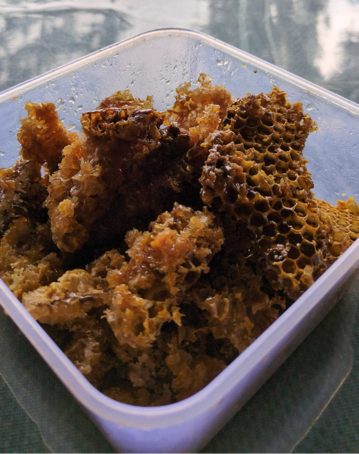
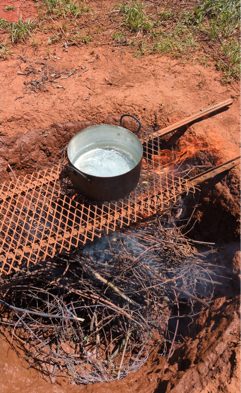
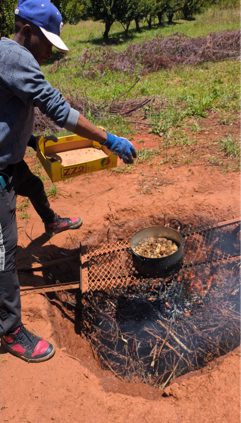
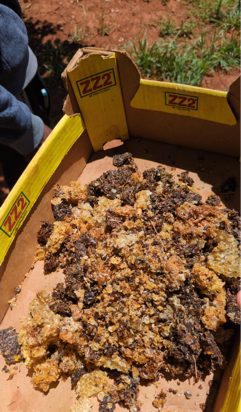
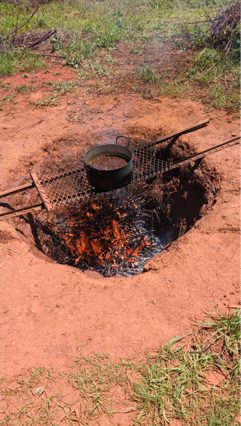
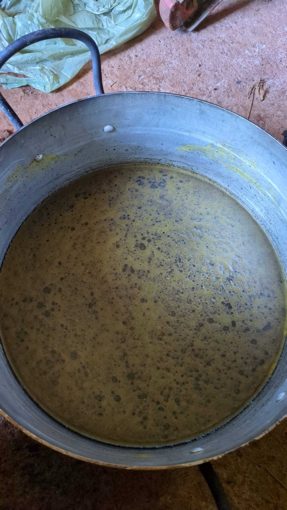
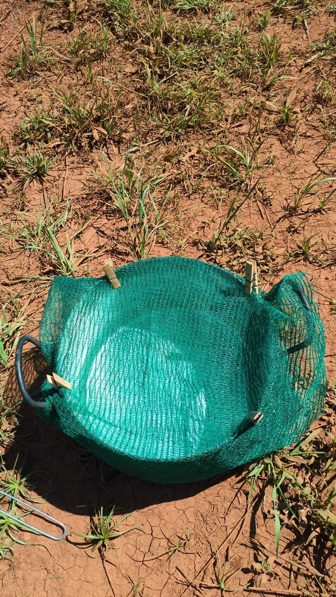
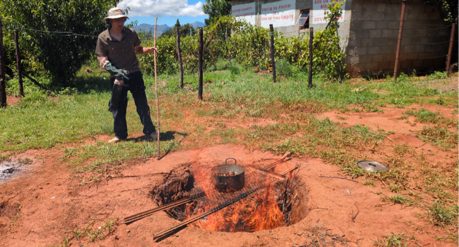
In the evenings I also began processing the first honeycombs. The combs were heated, filtered and finally left to settle in order to obtain beeswax. It was interesting to carry out the whole beekeeping value chain myself, from looking after the colonies to processing the products.
The second week was dominated by our move. After months of problems with leaking roofs and rainwater coming in, we were finally able to move into new accommodation. For Radik and me this was a great relief. At the same time it was not easy to say goodbye to our previous landlady and her son. Over the past months we had built a close bond and had been in regular contact in everyday life. The move itself was exhausting and went on until late in the evening, but in the end we were happy to move into the new flat.
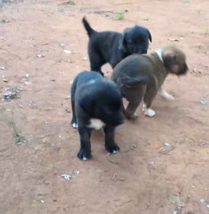
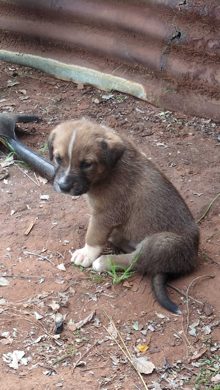
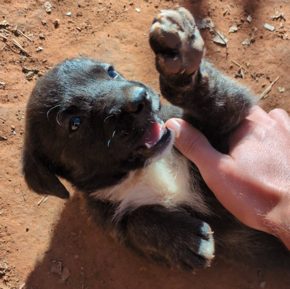
The new neighbourhood also brought some lovely encounters straight away. Our neighbour speaks only Sesotho, but we manage to communicate in creative ways. His dog, which had given birth to three puppies just a few days earlier, got a lot of attention. The puppies were extremely playful and quickly became Radik’s and my favourites.
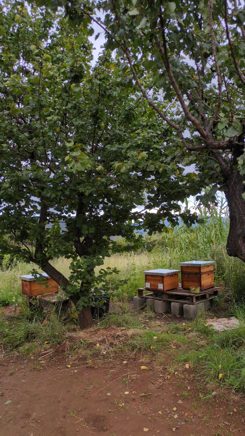
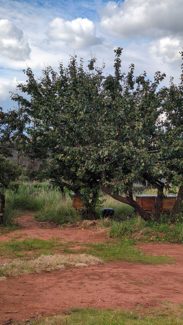
In the third week Kompi and I concentrated on gradually moving the bee colonies to our new plot. The previous teaching farm had turned out to be unsuitable in the long term because of numerous ant nests. Moving the boxes required careful planning, as we wanted to avoid unnecessary stress for the bees. After the move we fed the colonies sugar water to help them settle in and rebuild their energy reserves.
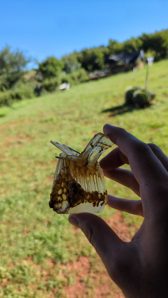
That week we were also able to collect and process propolis for the first time. This was another exciting step in the bee project, as propolis is another valuable product of beekeeping besides honey and wax.
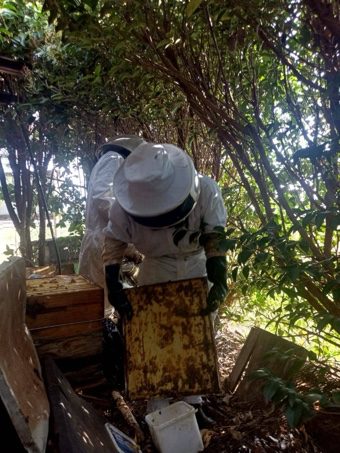
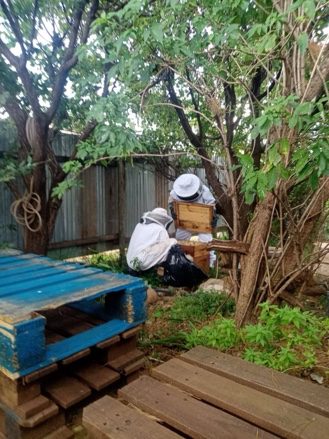
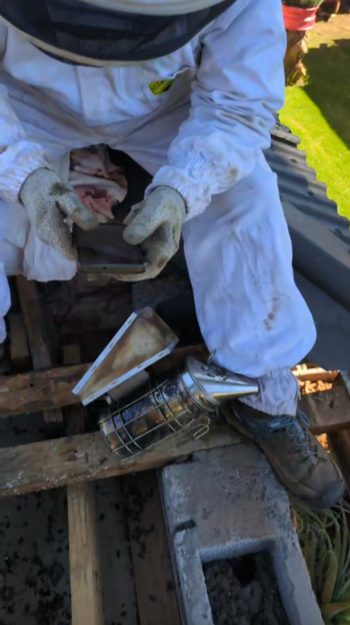
Besides harvesting honey and processing wax, in March I also helped relocate wild bee colonies several times. Together with staff from Malealea Lodge I opened up the roof of a building to safely remove a colony living there and move it into a hive box. The work required a lot of care, as parts of the roof had to be removed before the combs could be reached.
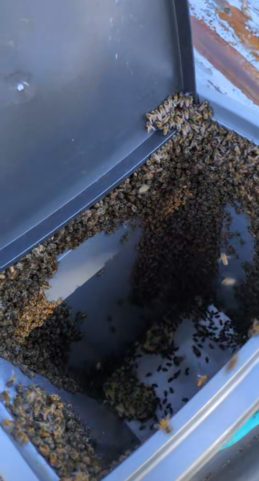
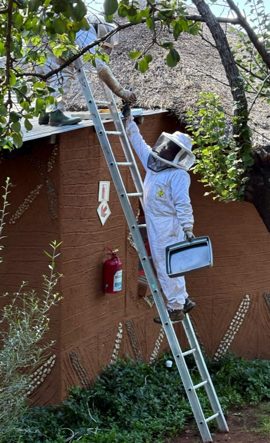
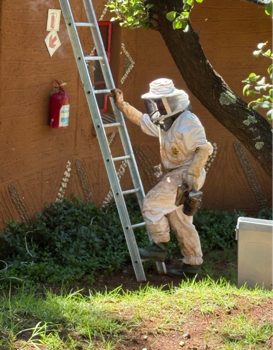
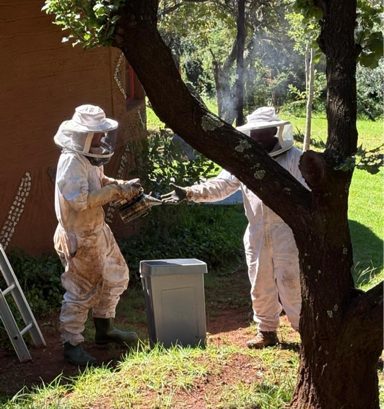
A little later I was asked for help again. This time there was a bees’ nest inside the wall of a tourist cottage. After opening the wall, we removed the combs and moved the colony. A large part of the honey we collected was then given to people in the area, which delighted many residents.
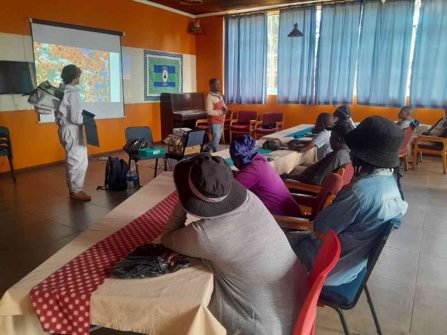
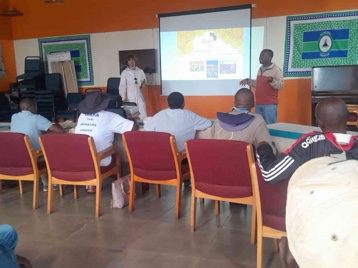
In the course of the month I also ran three planned workshops on beekeeping.
I showed interested people the hive boxes, explained the basics of how a bee colony works and talked about the importance of bees for agriculture and the environment. Besides the practical demonstration, passing on theoretical knowledge was especially important to me, as many people come into contact with bees regularly but know little about how they live and why they are useful. The events were well received and were a good opportunity to spark interest in beekeeping and the bee project.

From the middle of the third week until shortly before the end of the fourth, Radik and I took eight days of holiday in Maseru. After the busy months before, this break did us a lot of good. We used the time to meet other weltwärts volunteers, gain new impressions and simply get some distance from everyday work. We went to restaurants and spent a lot of time playing pool and talking with other volunteers about their experiences in Lesotho.
Looking back, March was a month of smaller successes and positive changes. The first honey harvests, the production of wax and propolis and the move to a much better place to live were important steps forward. At the same time it was nice to recharge my batteries during the holiday. After the many busy months before, it felt good to have a somewhat quieter period while still moving my own projects forward.