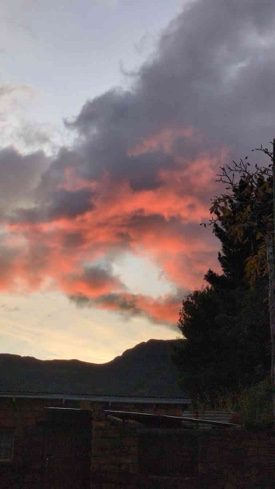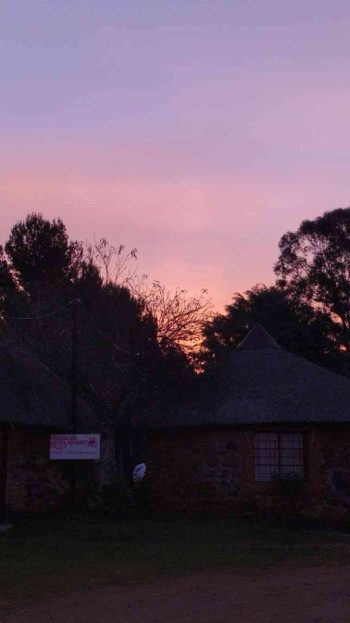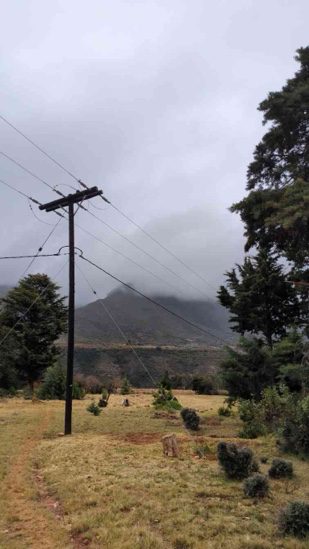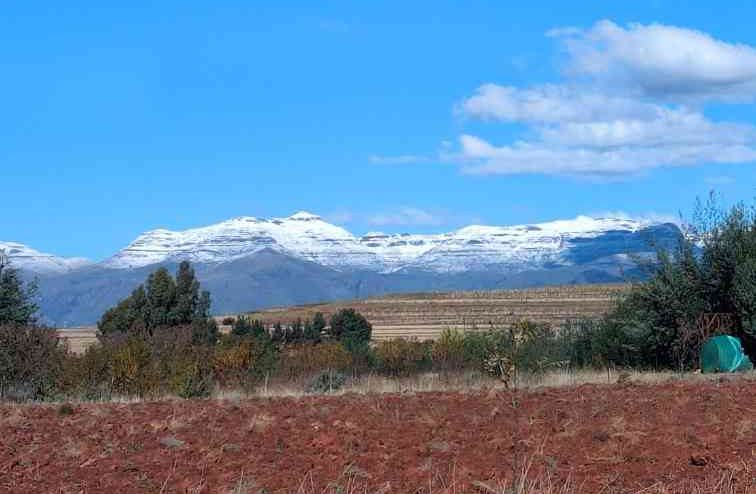
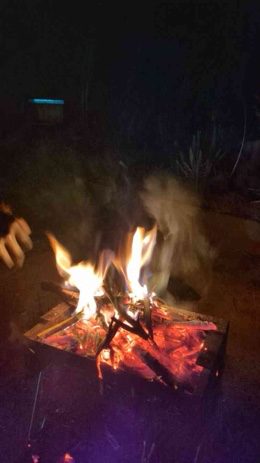
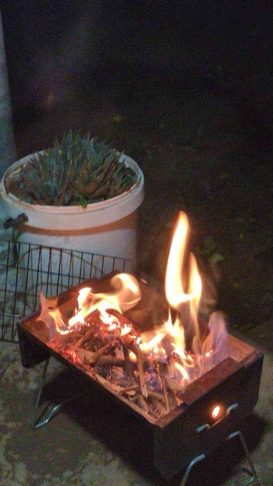
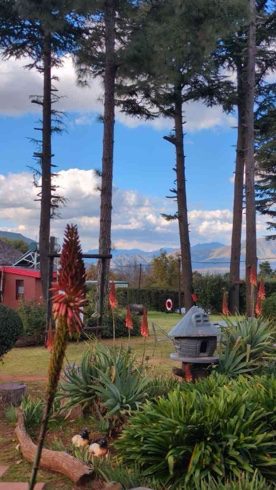
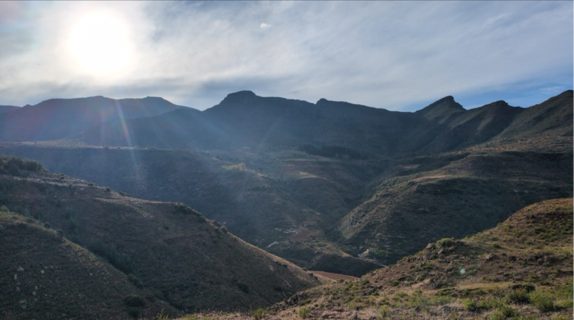
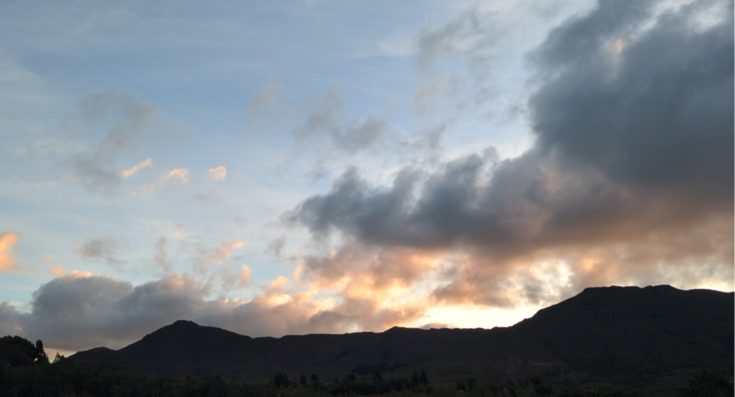
For me, May marked the transition from the warm summer to winter. While the previous months had been full of rain, thunderstorms and intensive garden work, the whole look of the valley now changed. Temperatures dropped considerably, the nights became cold and the first snow-covered peaks could already be seen from our village. Many local people told us it would probably not be long before the first snow fell in the Malealea Valley too.
The first week was therefore all about the cold. Radik and I first had to get used to the new conditions. As temperatures became unpleasant especially in the mornings and evenings, we initially turned to a rather traditional solution: fire. We regularly lit our barbecue with wood to warm ourselves up after work. Especially after the hot summer months it was strange to suddenly have to wear several layers of clothing.
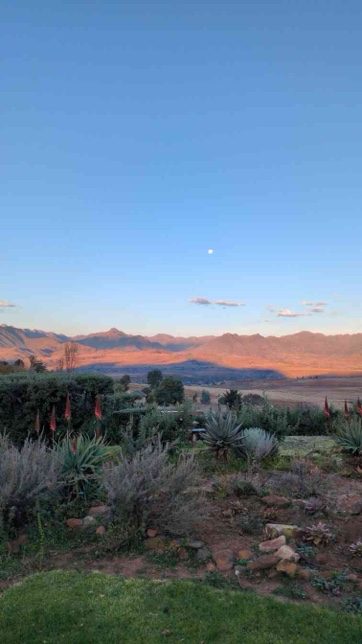
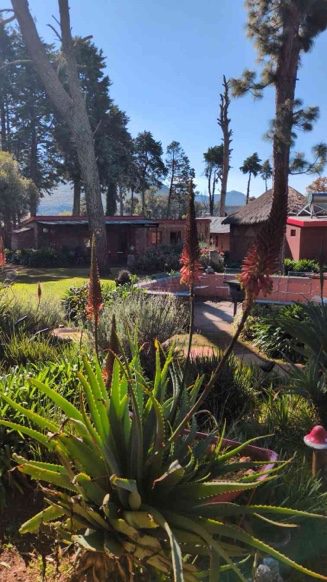
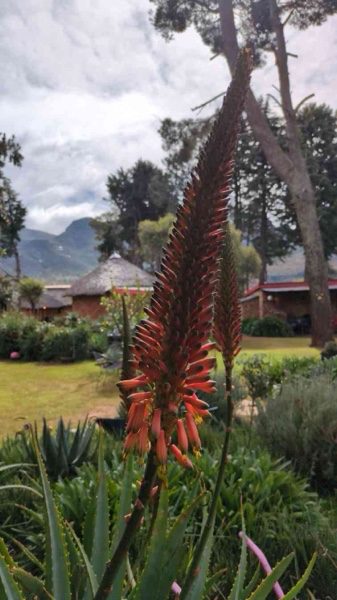
Interestingly, nature showed a completely different side at the same time. As the temperatures fell, the aloes began to flower all over the valley. Their bright red and orange flowers coloured the mountainsides and created a striking contrast to the cool winter landscape. They flower precisely in the dry winter months because many birds and insects depend on the nectar-rich flowers as an important source of food at this time. For nectar feeders in particular, aloes are one of the most important resources during the cold season.
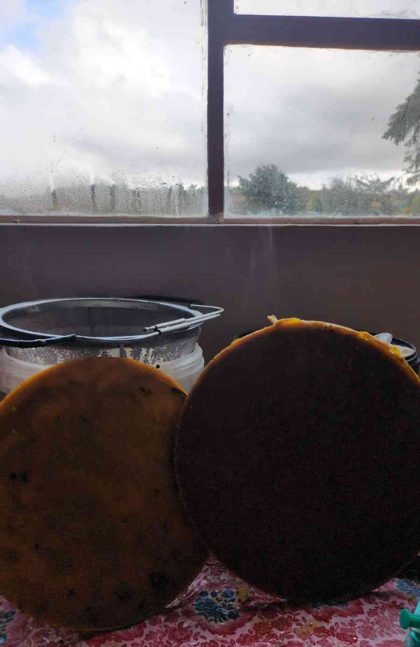
Workwise, I mainly concentrated on processing the beeswax that week. The aim was to make candles from the wax we had collected. On several visits to Maseru I looked for suitable wicks, but at first without much success. Despite these difficulties I continued cleaning and refining the wax to prepare it for later use.
In the second week Radik and I finally decided to buy an electric heater. After the first cold nights it was one of the best investments since we arrived in Lesotho. The flat became much more comfortable, and for the first time we no longer had to rely only on extra clothing.

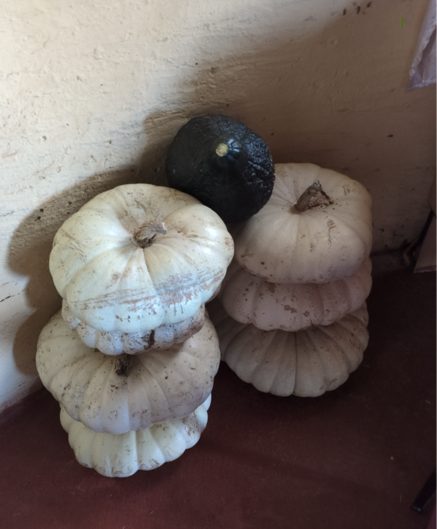
Together with Kompi we took the last pumpkins from the garden to the office, from where they were later to be distributed with the MDT to orphans and families in need. It was a lovely feeling to see that the garden’s produce was still directly benefiting the community months after planting.
We deliberately took the third week a little more slowly and took time to get to know the valley better. Together with Kompi and Dicksie we went on several long hikes to remote parts of the area. We climbed down to the lowest point of the valley and visited villages we had never seen before.
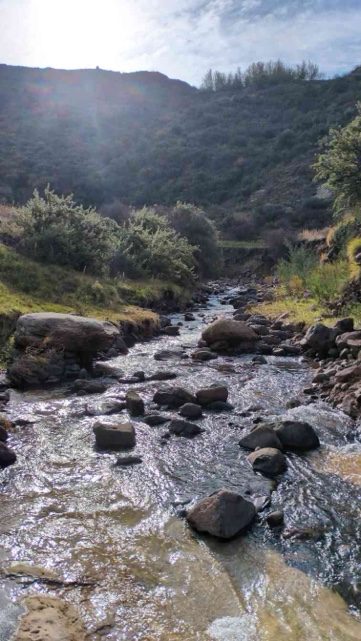
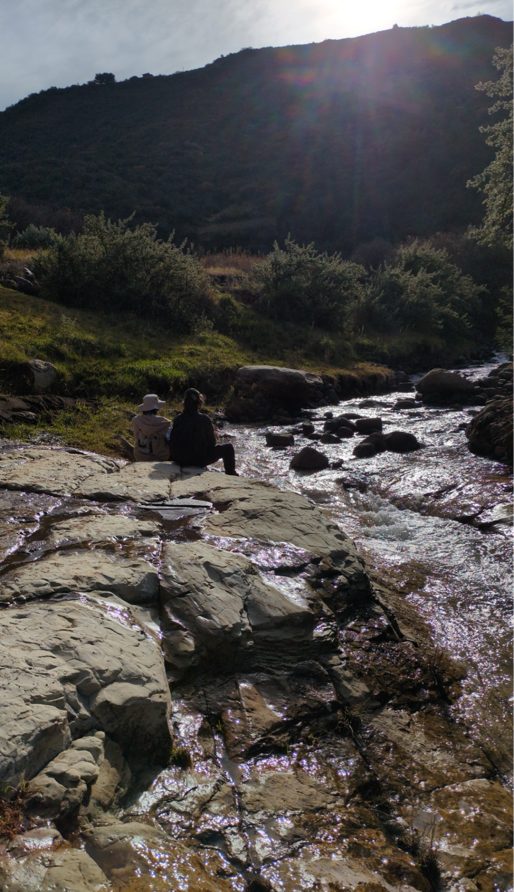
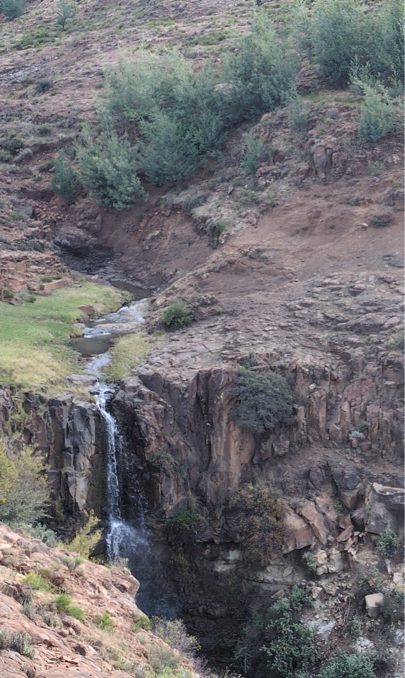
The rivers and rock formations of the region were particularly impressive. Over thousands of years the water had carved deep marks into the sandstone and shaped spectacular landscapes. We visited several waterfalls where the water plunged down over high basalt formations. Despite the low temperatures, Radik and I at times stood up to our knees in the cold river water, which surprised many of the local people. As so often, our encounters with the residents of the remote villages were warm and full of curiosity.
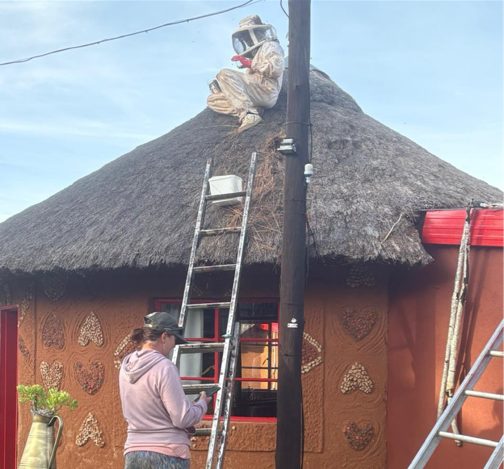
In the last week Malealea Lodge once again asked me for help with what was thought to be a wild bees’ nest in the roof of a building. On site, however, it quickly became clear that it was not a permanent nest but a swarm. The colony had probably left its original home after a thunderstorm and was now looking for a new place to nest.
To catch the swarm I had to climb onto the building’s thatched roof. This was not easy, as the roof structure offered few safe handholds. Once I had reached the roof, I spotted the queen almost immediately and got ready to secure her with a queen clip. Before I could react, however, she disappeared among the bees.
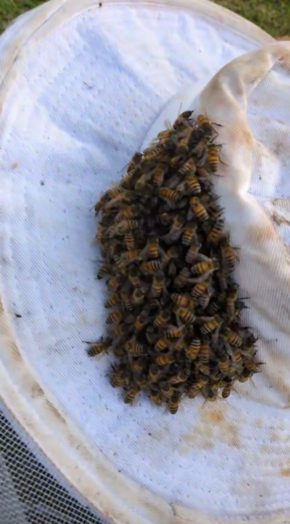
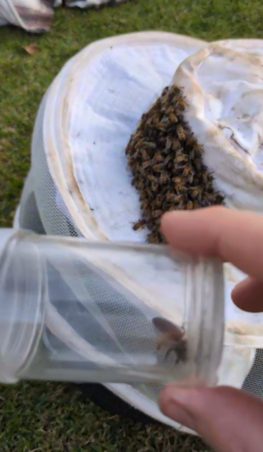
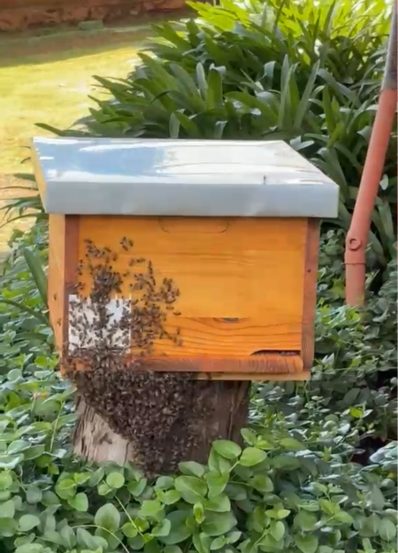
Only after I had climbed back down did I notice what had happened: a large part of the swarm had settled on my veil. I carefully took off the veil and was finally able to transfer the whole colony into a transport box. The operation went much more smoothly than expected and was a successful end to the month.
Looking back, May was a rather quiet month, but it was still a lot of fun. Winter has changed life in the valley considerably. The cold nights and snow-covered mountains were a completely new sight, while the flowering aloes brought colour to the landscape everywhere. I was able to continue many of the projects I had started at a calmer pace, relocate more bee colonies and finally had time to discover more of Lesotho’s impressive landscape together with Radik, Kompi and Dicksie.